
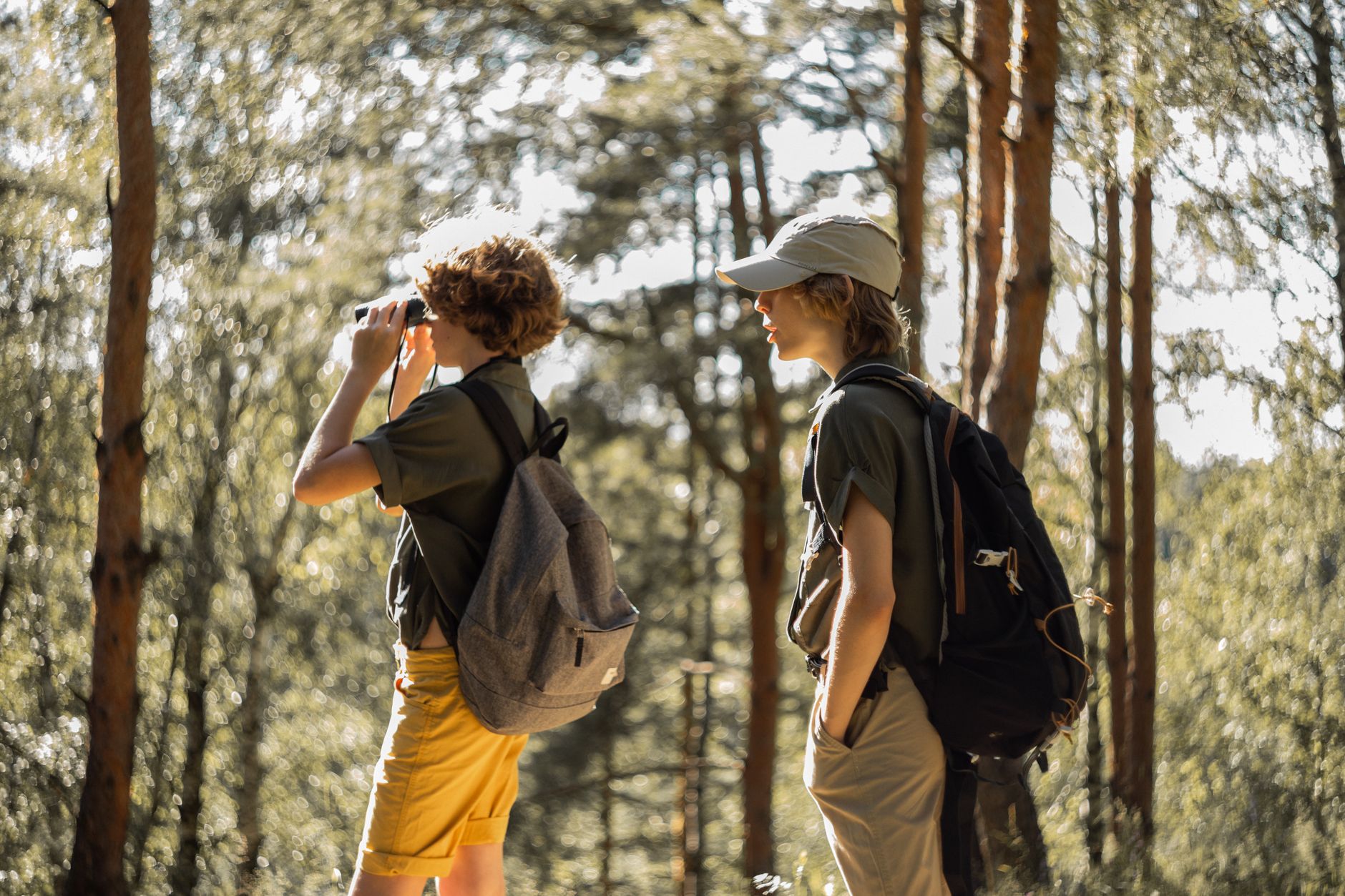
Michigan’s Front-Row Seat to Fall Migration
By Brian Cunningham, Chief Naturalist, Wild Birds Unlimited
Every autumn, something extraordinary happens right outside Michigan’s back doors. Millions of birds pass through the state on their way south, turning ordinary backyards into rest stops for travelers that have flown hundreds, sometimes thousands, of miles.
For families, fall is one of the best times of year to start birdwatching because the birds practically come looking for you.
You don’t need binoculars, a bird book or a single bit of experience to get started. You just need a window, a little patience and a kid who’s curious about where all those birds are headed.
Why Fall Is the Perfect Time to Begin
Birds are built for flight in remarkable ways: lightweight and reinforced bones, powerful and efficient flight muscles, and efficient one-way airflow through the lungs.
That design is what allows a Ruby-throated Hummingbird, weighing about as much as a penny, to cross the entire Gulf of Mexico in a single flight each fall.
Songbirds like warblers and thrushes typically travel at night, then drop down at sunrise to rest and refuel. That means a yard with food, water and shelter can become an unexpected stopover for species your family might never otherwise see.
That’s the magic of migration season: You don’t have to travel far to witness something wild. You just have to know where and how to look.

Getting Started as a Family
A few simple steps can turn your yard, patio or even a balcony into a place birds want to visit, and a place your kids want to watch.
Offer Food Birds Recognize
A single feeder with a quality blend, including black oil sunflower seed, will attract a wide variety of backyard birds, from chickadees and cardinals to migrating goldfinches.
If you want to draw in fall travelers specifically, a nectar feeder can keep hummingbirds fueled before their big flight south, while suet is a favorite of woodpeckers, warblers and nuthatches.
Add Water
Birds need water for drinking and bathing year-round. A moving water source, even a small dripper or fountain, is one of the most effective ways to attract species that might otherwise skip right past a feeder.
Give Them a Place to Hide
Native shrubs, brush piles and a well-placed nest box give birds shelter from predators and weather, along with a safe spot to wait out a storm or raise a family of their own come spring.

Do a Family Bird-Safety Check
Wild Birds Unlimited supports 7 Simple Actions to Save the Song Birds, and several of those actions make great family projects.
Make Windows Safer
Break up reflections with screens, bird-tape stickers or even glass markers. Let the kids make their own designs on the windows so birds know not to try to pass through the glass.
Collisions are one of the biggest hazards birds face during migration.
Keep the Family Cat Indoors
Keeping cats indoors, especially during peak migration weeks, is another simple way families can help protect birds.
Plant Native Plants
Native plants support the insects many migrating songbirds depend on for fuel. Adding even a few native species to your yard can make a difference.

Make It a Game, Not a Lecture
Kids engage with birdwatching best when it feels like play, not homework. A few easy ideas can turn a few minutes at the window into a real family activity.
Start a Tally
Keep a simple notebook by the window and have kids check off each new bird they spot. Watching the list grow over a week is often more exciting to a child than any single sighting.
Play “Guess the Traveler”
When an unfamiliar bird shows up, ask your kids to describe what they see and guess where it might be flying from and where it’s headed.
It’s a fun way to sneak in a little biology and geography.
Go Outside
A short walk through a local park, nature preserve or Michigan Young Birders meetup during migration season can turn up species you’d never see at a feeder, especially birds that prefer treetops or open fields.
Wild Birds Unlimited also offers kids’ activities that can help guide both indoor learning and outdoor exploration.

Turn It Into a Family Tradition
Once your family starts noticing birds, a few simple traditions can keep the interest going well past migration season.
Start a Family Life List
A life list is simply a running record of every bird species you’ve seen, either individually or as a family.
Keep a notebook by the door and let kids add a new entry every time they spot something they haven’t seen before. You can even keep separate lists for your yard and for family trips, so a weekend up north or a walk through a local park becomes its own mini adventure.
Try a Bird ID App Together
Free tools like the Merlin Bird ID app make it easy for kids to identify what they’re seeing or hearing, anytime and anywhere, with no experience required.
Older kids and teens might also enjoy eBird, which lets your family log sightings and see what other birders are spotting nearby.
Join a Community Science Project
Several programs allow families to contribute real observations to ongoing bird research:
- Project FeederWatch: November through April; no feeder required
- Great Backyard Bird Count: A four-day count every February
- Christmas Bird Count: A single-day count held around the holidays
- NestWatch: Spring and summer
It’s a fun way for kids to feel like they’re part of something bigger.
Give Back as a Family
Many nature centers, parks, museums, zoos and wildlife rehabilitators welcome family volunteers. It can be a great next step for kids who have caught the bird bug and want to do more.

A Front-Row Seat, Right at Home
Part of what makes Michigan such a special place for family birdwatching is timing. The state sits along major bird migration routes, so a single fall weekend can bring an entirely different mix of birds than you’d see in summer.
You don’t need a big trip to experience it. Just a feeder, a window and a few minutes to look, or a little time spent outside.
If your family gets hooked, stop by your local Wild Birds Unlimited store to see feeders, food and nest boxes in person. The team can offer advice on what’s moving through your specific part of the state, the right setup for your yard and family-friendly resources to keep young birdwatchers engaged all season long.
About the Author
Brian Cunningham is Chief Naturalist at Wild Birds Unlimited. Wild Birds Unlimited has been bringing people and nature together for more than 40 years through backyard bird feeding, quality nature products and expert local advice. With locally owned stores across the country, including several throughout Michigan, WBU helps families of all experience levels turn their yards into welcoming habitats for the birds they love to watch.


Leave a Reply