
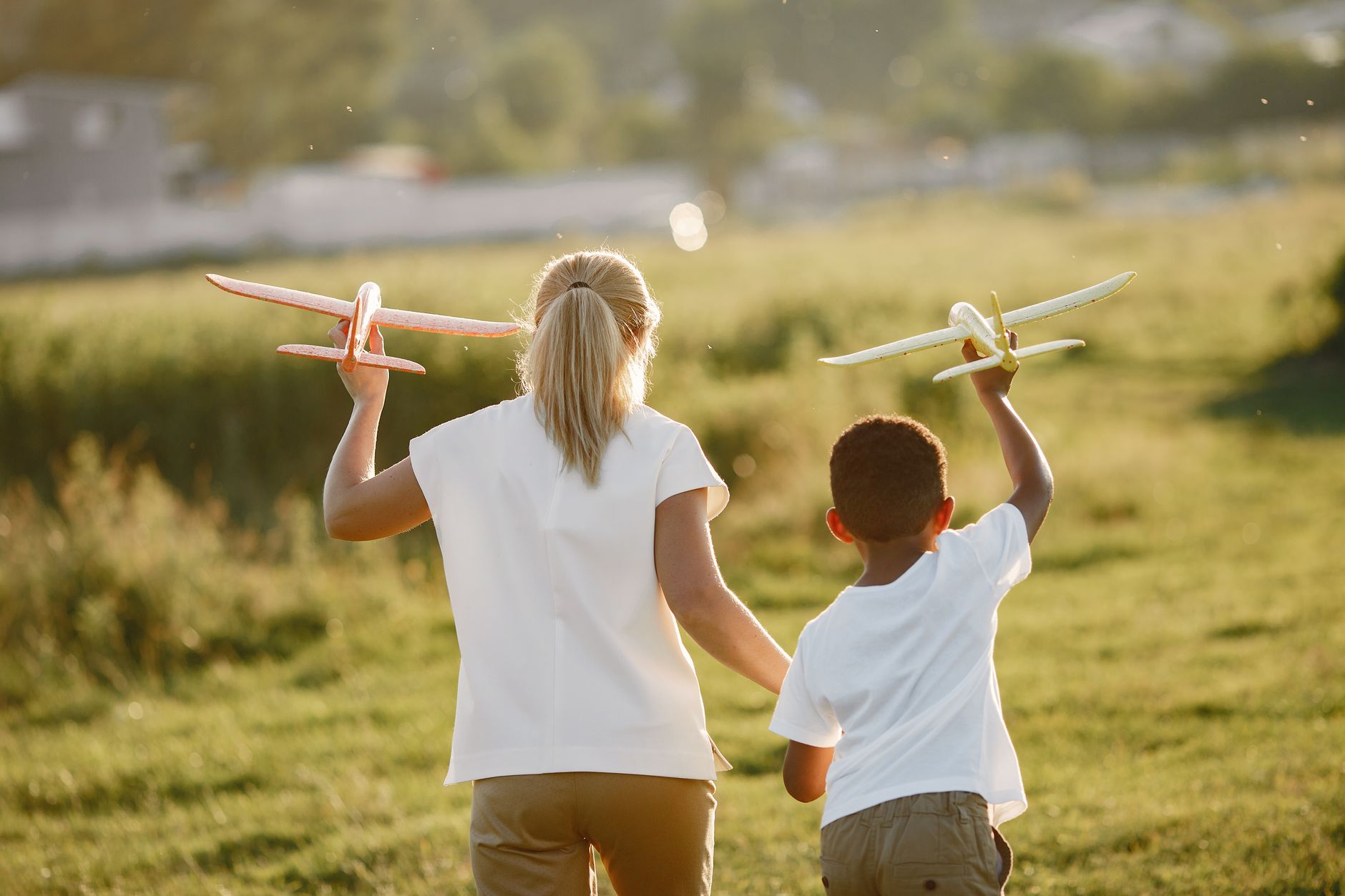
Raising independent kids means teaching them how to use their wings. It also means learning how to manage our own emotions when it’s time to watch them fly.
By Elise McNulty, LMSW, PMH-C
For months, people around the world watched a mother eagle named Jackie and her mate Shadow prepare their eaglets for life beyond the nest at Big Bear Lake. Viewers watched as tiny hatchlings grew stronger, developed their wings, and eventually reached the milestone every parent works toward: taking flight.
Many of us found ourselves unexpectedly invested in this eagle family. We weren’t just watching birds. We were watching a story that felt familiar.
These parents were doing what all parents are quietly doing every day: getting their young ready for a life that will eventually stretch beyond the safety of home.
There is something remarkable about watching a young bird leave the nest. It represents growth, strength, and possibility. What we often don’t see is how it also represents something else: a parent’s willingness to let go.
The nest was never meant to be their forever home. Jackie and Shadow’s role was to provide protection, nourishment, and the conditions their eaglets needed to grow. They could not fly for them or remove every challenge they would face. They could only prepare them and trust that the wings and foundation they had helped strengthen would carry them.
For many parents, that trust is the hardest part. Not because we don’t believe in our children, but because letting them try, struggle, and sometimes fail can stir up a lot inside of us.
Like so many things in life, the hardest part of raising independent children is often not teaching them the how-tos. The more difficult part is managing our own emotions as we stand back and watch them try.
We talk a lot about what kids need to learn. We talk less about what parents have to feel.

Love Can Accidentally Become Overprotection
A couple of years ago, I was standing in my front yard after work chatting with my dear neighbor, also a seasoned mother. She mentioned that Mikey, the youngest of her three sons, had forgotten his winter coat at home that morning, which meant he had to sit in the office during recess.
I reminded her that I had worked from home that day and could have run the coat over to the school.
She laughed and noted that having to sit in the office and miss recess meant Mikey would be much more likely to remember his coat in the future.
Her point was simple: stepping in to fix it would have eased her discomfort, but letting him experience the natural consequence helped him grow.
This is where loving our kids can quietly turn into overprotecting them.
We don’t mean to. We just want them to be safe, happy, and successful. But when we constantly rush in to soften every frustration, correct every mistake, or prevent every discomfort, we unintentionally send the message: You can’t handle this without me.
Watching Them Try Is an Emotional Workout
From their first steps without your hands to watching them drive away alone for the first time to helping them prepare to live on their own, every stage can be threaded with parental anxiety, guilt, and grief.
If we don’t work to manage our own emotions, we might accidentally hand them to our kids to manage for us.
They may feel pressure not only to figure out their own lives, but also to keep us from worrying, avoid upsetting us, or stay small so we feel needed. That emotional burden can become a weight or barrier, holding them back from their first flight.
Parents often ask, “Okay, but what am I supposed to do with all these feelings?”
It can help to:
Name what you feel. “This is anxiety,” or, “This is grief. I miss the younger years.”
Pause before jumping in. Give yourself a few minutes before offering help. In that space, breathe and ask, “Is this unsafe, or just uncomfortable?”
Remember the long game. Most of us want to raise kids who believe they can handle hard things. We can stay nearby and emotionally available without taking over.
You don’t have to be perfect at this. Even noticing your own urge to rescue is progress.

Redefining Success in Parenting
If we define successful parenting as raising children who never struggle, we will always feel like we’re failing, and we’ll be tempted to keep pulling them back into the nest.
Another definition is possible.
Success can look like raising children who know how to struggle safely, believe they can learn from mistakes, and trust that our love doesn’t disappear when they move further into their own lives.
In this version of success, our job isn’t to be the wind beneath their wings every second. Our job is to help them grow wings strong enough to catch their own wind and to keep being a recognizable, steady place they can return to when they need rest.
Jackie and Shadow did not stop being parents when their eaglets first left the nest. Their role simply changed.
The same is true for us.
Whether your “eaglet” is starting kindergarten, high school, college, or moving into their first apartment, you are still their parent. The shape of your care shifts, but the care itself remains.
If you find yourself both proud and heartbroken as your child takes their next steps away from you, it doesn’t mean you’re doing it wrong. It means you’re standing in that tender, complicated space where love and letting go meet.
And from that place, you can quietly say what every parent of a young bird, or a growing child, eventually has to say:
“I can’t fly for you. But I trust the wings you’re building. And I’ll be right here, watching you take flight.”





Leave a Reply